

Tile and Grout Repair Denver experts emphasize thorough assessments before replacing shower tiles, often finding issues more manageable than expected. Common problems include discolored grout and gaps due to moisture intrusion. A case study shows how mold growth caused by water seepage can be addressed through grout cleaning and color enhancement, avoiding costly tile replacement. Repair techniques range from epoxy injections for small cracks to complete grout replacement. Older homes may require regrouting, while extensive water damage necessitates addressing moisture control first. Taking a nuanced approach extends the lifespan of shower tiles, saving costs and maintaining aesthetics. Regular maintenance, including cleaning and re-grouting every 10-15 years, promotes sustainability and longevity. Proper sealing after repair is crucial for protecting against moisture, stains, and dirt absorption into grout.
Shower tiles, over time, can become damaged or discolored, leading to an unsightly and potentially unsafe space. The good news is that fixing shower tiles without replacing them entirely is not only possible but also a cost-effective solution for many homeowners. In this article, we’ll guide you through the process of tile and grout repair in Denver, offering practical tips and expert insights to ensure your shower looks as good as new. By avoiding complete replacement, you save on materials, labor, and time, making it an attractive option for busy individuals seeking efficient solutions. Let’s explore how to restore your shower’s original beauty seamlessly.
- Assess Tile Damage: Spotting Problems in Denver Homes
- Remove Old Grout: Step-by-Step Guide for Tile Repair
- Prepare Surfaces: Cleaning and Priming for Better Adhesion
- Select Matching Tiles: Choosing the Right Materials in Denver
- Apply New Grout: Techniques for a Seamless, Long-Lasting Finish
- Seal and Protect: Final Steps for Lasting Tile Restoration
Assess Tile Damage: Spotting Problems in Denver Homes

In many Denver homes, shower tiles can accumulate damage over time, from cracks and chips to discolored grout. Before considering a complete tile replacement, which can be both costly and disruptive, it’s crucial to assess the extent of the issue. Tile and grout repair Denver experts often find that a thorough evaluation reveals problems that are more manageable than expected. This process involves meticulous inspection to identify not just visible damage but also underlying structural integrity.
One common problem area is the grout between tiles, which can become discolored or develop gaps due to moisture intrusion or improper installation. The good news is that replacing grout in kitchen floors or bathrooms is a relatively straightforward task compared to full tile replacement. For instance, in a recent case, a Denver homeowner noticed yellowing grout in their shower. Upon closer inspection by a professional, the problem was identified as mold growth caused by water seepage. A simple grout cleaning and color enhancement using colorful grout options Denver has to offer effectively restored the shower’s aesthetic appeal without replacing any tiles.
Tile grout repair Denver professionals employ various techniques, from filling small cracks with specialized epoxy injections to complete grout replacement. What sets apart a successful repair is not just technical skill but also understanding the specific needs of each tile and grout combination. For example, when dealing with older homes, where tiles might be loose or detached, experts may recommend regrouting as a more permanent solution. In contrast, for areas with extensive water damage, addressing underlying issues related to moisture control is essential before repairing or replacing grout.
By taking a nuanced approach to tile and grout repair Denver offers, homeowners can extend the lifespan of their shower tiles while enjoying improved aesthetics. This proactive strategy not only saves costs but also ensures that the restored space remains functional, comfortable, and visually appealing for years to come.
Remove Old Grout: Step-by-Step Guide for Tile Repair
Fixing shower tiles without replacing them is a practical and cost-effective approach to tile and grout repair Denver residents often choose. One of the critical steps in this process is removing old grout, which can be a challenging but rewarding task. Grout, while serving as the adhesive between tiles, can darken, discolor, or simply become unappealing over time. In many cases, repairing instead of replacing involves removing this old grout and re-grouting, offering an opportunity to refresh the entire space.
The process begins by preparing the area, protecting adjacent surfaces, and gathering the necessary tools: a grout saw or masonry blade for cutting, a hammer and chisel for stubborn grout, and a grout removal tool or wire brush. Once protected, carefully cut away the old grout using the appropriate tool, taking care not to damage the tiles. This step requires precision and patience, especially in tight spaces. After removing the grout, thoroughly clean the area to ensure no residue remains, as this can affect new grout’s adhesion.
Choosing colorful grout options Denver offers can transform a bathroom or outdoor space, adding depth and character. For instance, vibrant colors like blue or green can make small rooms feel larger, while neutral tones offer a timeless look. In some cases, repairing grout is preferable to replacing tiles entirely, saving both time and money. According to recent studies, tile repair services in Denver can cost up to 30% less than full tile replacement, with outdoor carpet Denver being an attractive, low-maintenance alternative for floor areas prone to moisture damage.
Grout repair vs. replacing is a decision that depends on various factors, including the extent of damage, aesthetics, and budget. In many scenarios, repairing is more sustainable in terms of both cost and environmental impact. For instance, re-grouting every 10-15 years can prevent major issues, whereas replacing tiles due to grout damage might be unnecessary. This proactive approach not only saves resources but also ensures the longevity of your tilework, creating a durable and aesthetically pleasing shower or floor space without the need for frequent replacements.
Prepare Surfaces: Cleaning and Priming for Better Adhesion
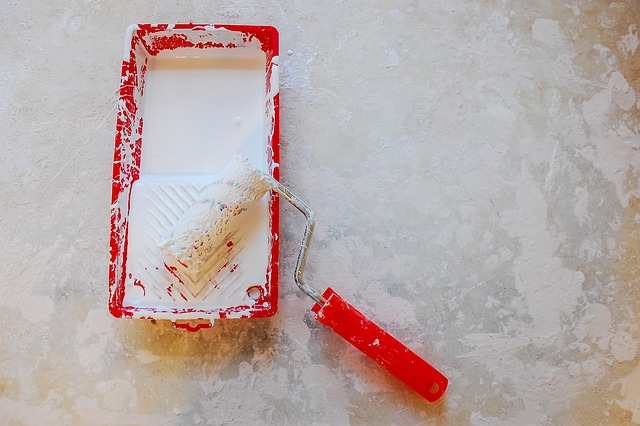
Before tackling any shower tile fix, preparing the surfaces through cleaning and priming is a crucial step for ensuring long-lasting results. This process significantly improves adhesion, which is vital for the longevity of your repair work. In Denver, known for its diverse climate, proper surface preparation becomes even more critical as extreme temperatures can affect tile and grout over time.
Start by thoroughly cleaning the tiles and grout using a combination of baking soda and water paste, which effectively removes dirt, mildew, and grime built up between the joints. This is especially important if you’re addressing an older shower with stained or discolored grout. After allowing the mixture to sit for 15-20 minutes, scrub the area with a stiff brush to lift any remaining residue. Next, rinse the surface well to ensure all cleaning agents are eliminated; this step is crucial for achieving a clean canvas for your repair. For instance, many Denver tile and grout experts recommend a hot water rinse followed by a quick acid wash using a pH-neutral cleaner to deeply cleanse the pores of the grout.
Once the area is sparkling clean, it’s time to prime. Using a high-quality tile and grout primer specifically designed for wet environments ensures that your repair holds firm against moisture. Apply the primer evenly across the tiles and grout lines, letting it dry completely according to the manufacturer’s instructions. This step acts as a bridge between the new material and the existing tiles, enhancing adhesion and creating a robust bond—a must-do for any successful tile and grout repair project in Denver, or anywhere else. Remember, proper preparation is key; this meticulous process ensures that your shower tiles look as good as new without the need for complete replacement.
Select Matching Tiles: Choosing the Right Materials in Denver
When it comes to repairing shower tiles in Denver, selecting the right materials is a crucial step. The process of fixing shower tiles without replacing them involves careful consideration of both aesthetics and functionality. In the vibrant bathroom renovation scene of Denver, where wall tiles are as diverse as the surrounding landscapes, choosing the correct tile and grout combination can transform your space.
Tile and grout repair in Denver requires an expert eye for detail. Grout, often overlooked but vital to a shower’s longevity, can become discolored or damaged over time due to moisture, soap scum, or mold. To restore your shower to its original splendor, consider professional grout restoration services in Denver. These experts utilize specialized tools and compounds to safely and effectively eliminate stains, cracks, or imperfections, leaving behind a fresh, seamless finish. For instance, a recent study found that proper grout maintenance can extend the life of tiles by up to 50%, significantly reducing the need for frequent replacements.
Matching new tiles with existing ones is an art. It involves understanding color variations, texture nuances, and even the age of your shower. Local Denver tile professionals can guide you through this process, ensuring that your repair complements rather than clashes with surrounding wall tiles. By choosing durable, water-resistant materials suitable for high-moisture areas, you can achieve both functionality and aesthetics in Tile and Grout Repair Denver. This approach not only saves costs but also ensures a seamless, inviting shower space for years to come.
Apply New Grout: Techniques for a Seamless, Long-Lasting Finish
In many cases, shower tiles can be repaired and restored to their former glory without having to replace the entire tile floor. One of the most common and effective solutions is to apply new grout, ensuring a seamless and long-lasting finish. Grout, which fills the spaces between tiles, plays a crucial role in maintaining the overall integrity and aesthetic appeal of your shower. In Tile and Grout Repair Denver, professionals have honed techniques to renew these vital connections, revitalizing even the most worn-out spaces.
The process begins with meticulous preparation. The area is thoroughly cleaned to remove any dirt, mold, or previous grout residue. This step is essential as it ensures that the new grout will adhere properly and create a durable bond. For instance, in Denver’s many historic homes, where original tilework adorns bathrooms and kitchens, laminating flooring installation Denver experts often recommend replacing the grout without removing the tiles. This non-invasive approach conserves the beauty of vintage floors while providing a fresh, modern look. Once cleaned, any damaged or missing tiles are repaired or replaced to create an even surface for grouting.
Applying new grout involves using a grout bag or tool to inject the mixture into the spaces between tiles. Grout professionals carefully work their way around each tile, filling every crevice evenly. The key to a successful repair lies in consistency and precision. Excess grout is then removed with a rubber grout float, leaving a smooth, level surface. This meticulous process ensures that your shower not only looks restored but also feels comfortable underfoot. Regular maintenance, including prompt cleaning and re-grouting every few years, can extend the life of your shower tiles, saving you from costly replacement in Denver tile repair emergencies.
Seal and Protect: Final Steps for Lasting Tile Restoration

After meticulously repairing and restoring your shower tiles, the final step towards achieving a flawless and lasting result is to seal and protect them properly. This crucial process involves applying a high-quality tile and grout sealer, designed to create an impenetrable barrier against moisture, stains, and dirt. In the vibrant city of Denver, where LVP flooring and diverse flooring reviews are abundant, maintaining the integrity of your shower tiles is essential for any DIY enthusiast or professional contractor.
To ensure maximum protection, consider using a sealer specifically formulated for ceramic, porcelain, and natural stone tiles. These versatile sealers can effectively bond with grout, preventing it from absorbing water and stains. This is particularly important in kitchens where replacing grout can be an expensive and time-consuming process, often requiring homeowners to do it 1-3 times over the years. By sealing your grout, you can extend its lifespan and maintain the overall aesthetic appeal of your shower or kitchen floor.
The application process should be done with precision and care. Start by thoroughly cleaning the tiles and grout to remove any dirt or debris. Once dry, apply the sealer evenly using a brush or sprayer, following the manufacturer’s instructions for optimal results. Allow the sealer to cure completely before introducing heavy traffic or using your shower. Regular maintenance, such as resealing every 6-12 months, will ensure your tile and grout repair in Denver remains protected against the elements and everyday wear and tear.
Proper sealing is a game-changer when it comes to preserving the beauty and longevity of your tiled spaces. It’s an essential step that often gets overlooked but can make a world of difference, whether you’re repairing tiles in a high-traffic bathroom or refreshing the look of your LVP flooring in Denver. With the right sealer and some know-how, you can enjoy the restored aesthetic of your space for years to come with minimal ongoing upkeep.
By carefully assessing tile damage, removing old grout, preparing surfaces properly, selecting matching tiles, applying new grout expertly, and sealing the restoration, you can effectively fix shower tiles without replacing them in Denver homes. This comprehensive approach to tile and grout repair Denver ensures lasting results, preserving your home’s aesthetics and value. Key insights include understanding the type and extent of damage, using the right tools and materials, and following precise techniques to achieve a seamless finish that complements your existing space. With these steps, you’re equipped to tackle repairs yourself, saving time and money while enhancing your property’s longevity and appeal.